head of hac lab

Dr. Eileen Roesler is a researcher in the field of human-automation interaction, with a specialized focus on the complex challenges stemming from interactions with cutting-edge technologies such as artificial intelligence (AI) and robots.
Ph.D. students

Toey is a second-year PhD student in the Human Factors and Applied Cognition Program at GMU. Her research interests focus on the effectiveness of AI explainability in joint decision-making and psychometrics in human-robot interaction.

Neha is a second-year PhD student in the Human Factors and Applied Cognition Program at GMU. She is currently exploring the impact of embodiment on human-agent collaboration.

Hendi is a first-year PhD student in the Human Factors and Applied Cognition program at GMU. She is conducting research on mobile robots in service settings and is also examining how transparency and explainability are defined and measured in human–agent interaction.
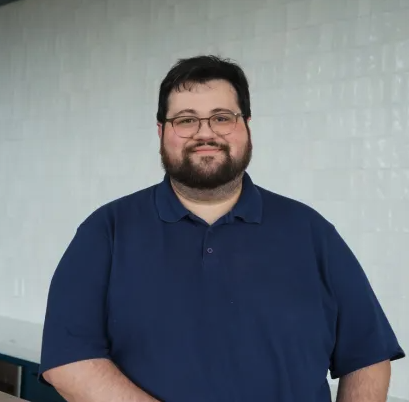
Vincenzo is a first-year Ph.D. student in the Human Factors and Applied Cognition Program co-advised by Dr. Roesler and Dr. Matt Peterson. He is interested in the intersection of eye tracking and human-AI interaction.
affiliated Ph.D. students

Rydia is a third-year PhD student co-advised by Dr. Roesler and Dr. Tyler Shaw. She is looking at how people’s perceptions of robot transparency change based on how you frame the robot as either humanlike or technical. Her dissertation research is on the IKEA effect in HRI on trust and transparency.

Becca is a second-year Ph.D. student in the Cognitive and Behavioral Neuroscience Program advised Dr. Craig McDonald. She is investigating the neural correlates of explainable AI- specifically, how these neural signatures relate to observed errors by the AI system
PhD graduates
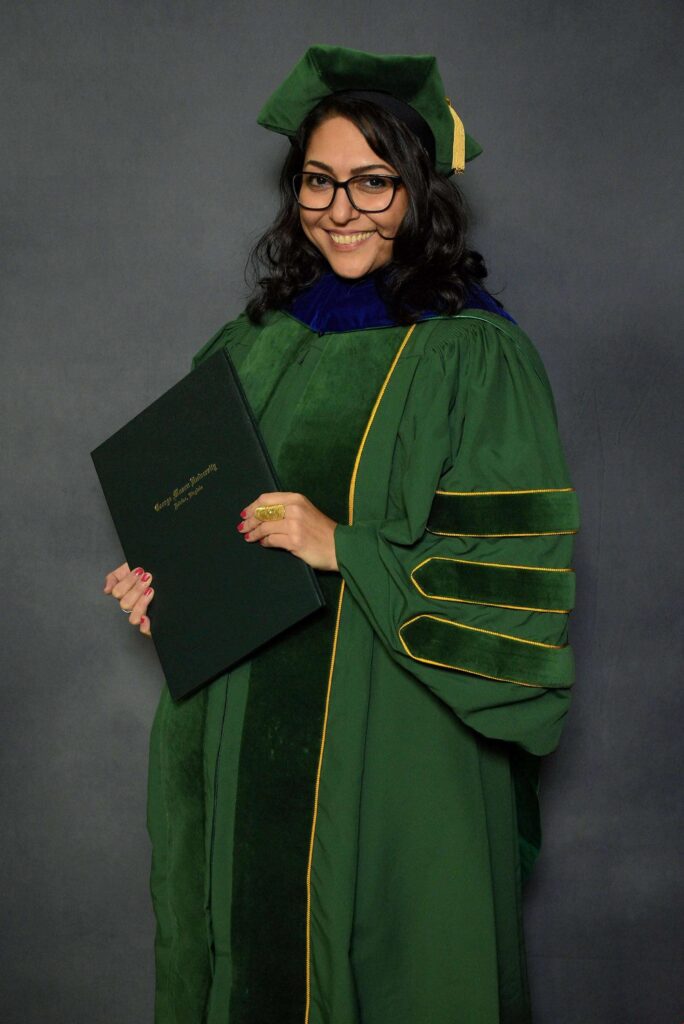
Dr. Noushin Jamaatlou received her Ph.D. in the Human Factors and Applied Cognition Program co-advised by Dr. Roesler, Dr. Eva Wiese, and Dr. Craig McDonald. She defended her dissertation titled “willingness to take the perspective of robots – embodiment in VR as a potential intensifier” in Fall 2025.
graduate students

Emily is a second-year Master’s student in the Human Factors and Applied Cognition Program at GMU. Currently, she is assisting in VR data collection. She is interested in UX in gaming spaces and safety.
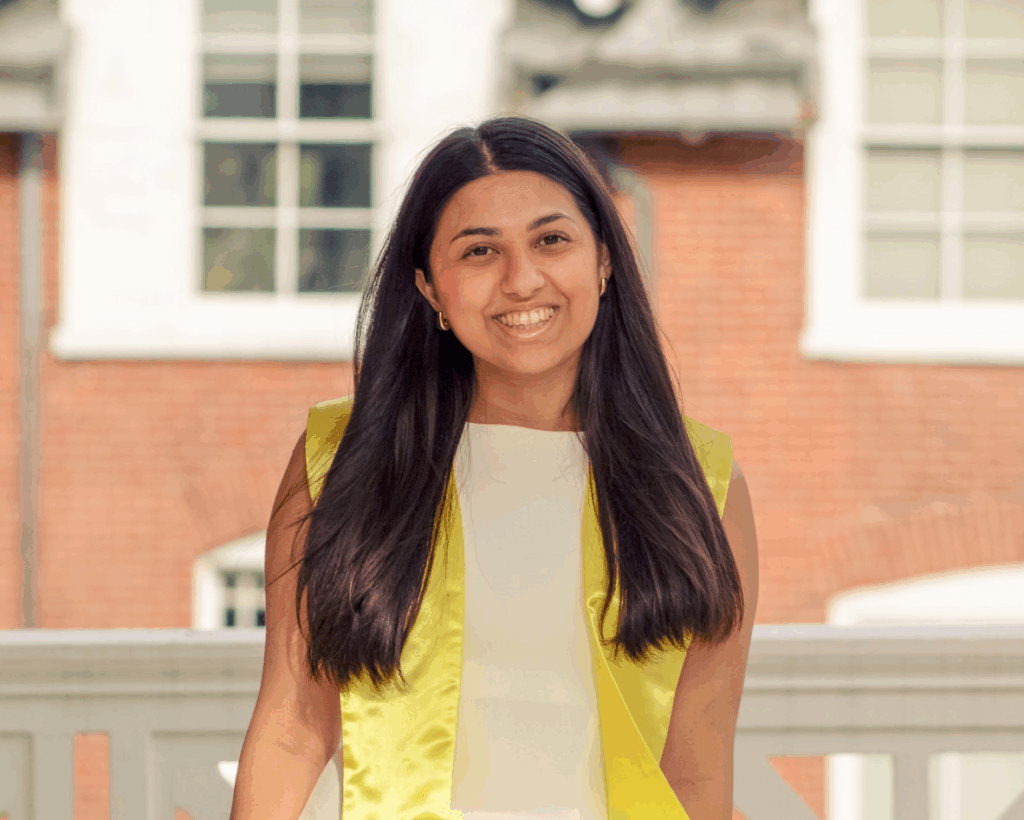
Hanna is a first-year Master’s student in the Human Factors and Applied Cognition Program at GMU. She is currently supporting VR data collection and, in the future, is interested in exploring how human-technology interaction may facilitate decision-making.

Jessica is a recent graduate of the Human Factors and Applied Cognition master’s program at GMU. Her interests include human-AI interaction, trust, perception, and system design.

Thom is a first-year Master’s student in the Human Factors and Applied Cognition program at GMU. He is currently supporting Vincenzo on a project examining trust and risk-taking using eye-tracking. Thom’s research interests focus on human-agent interaction, AI detection measures, and the improvement of assistive technologies.
undergraduate students

Sumayya is a third-year undergraduate student studying Psychology at GMU. She is currently supporting data collection in embodiment research and is interested in shifting human perceptions of embodied agents based on their setting.

Zein is a fourth-year Honors undergraduate psychology student at George Mason University. She is currently working on her Honors thesis on embodiment in human–robot interaction and is also interested in how trust may change depending on a robot’s level of anthropomorphism and whether the robot is physically embodied.
international scholars
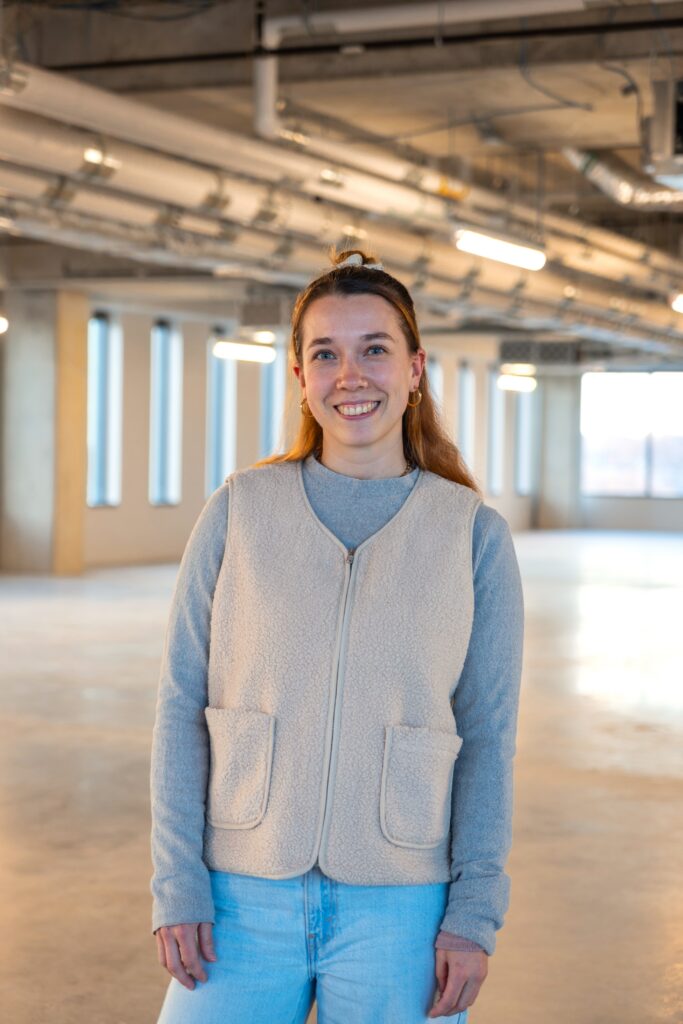
Lara is a research associate and PhD candidate at the Technical University Berlin in Germany. As a visiting researcher at the HAC Lab, she investigates social cues and the effects of errors in mobile human-robot interaction.
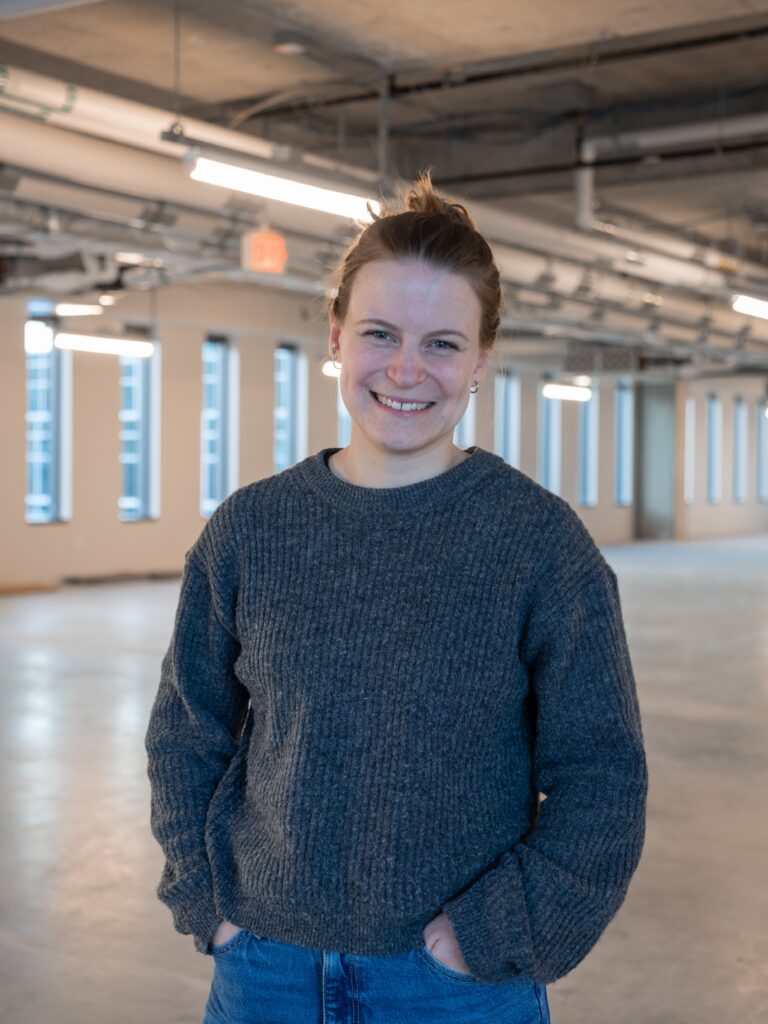
Lina is a research associate and PhD candidate at the Institute of Human and Industrial Engineering at Karlsruhe Institute of Technology (Germany). Her research focuses on transparency in human–AI interaction, and as a visiting researcher she is expanding this work to include eye-tracking and human–robot interaction.
hac lab evolution